

In a world of growing environmental awareness, eco-responsibility in sportswear is not just a trend, it's a necessity. Custom collections offer a unique opportunity to combine style and sustainability. Here's how you can incorporate eco-responsible practices into your customized collections, while emphasizing the importance of sustainability.
The Importance of Sustainability in Sportswear
Sports fashion not only reflects current trends, it also conveys the values of those who wear it. In a context of growing awareness of environmental issues, adopting a sustainable approach is essential. This means choosing eco-friendly materials, optimizing production processes to reduce waste, and promoting responsible consumption practices. By integrating sustainability into your collections, you demonstrate not only your commitment to the environment, but also your desire to meet the expectations of customers who are increasingly concerned about their ecological impact.
Pre-Order System: An Eco-Responsible Solution
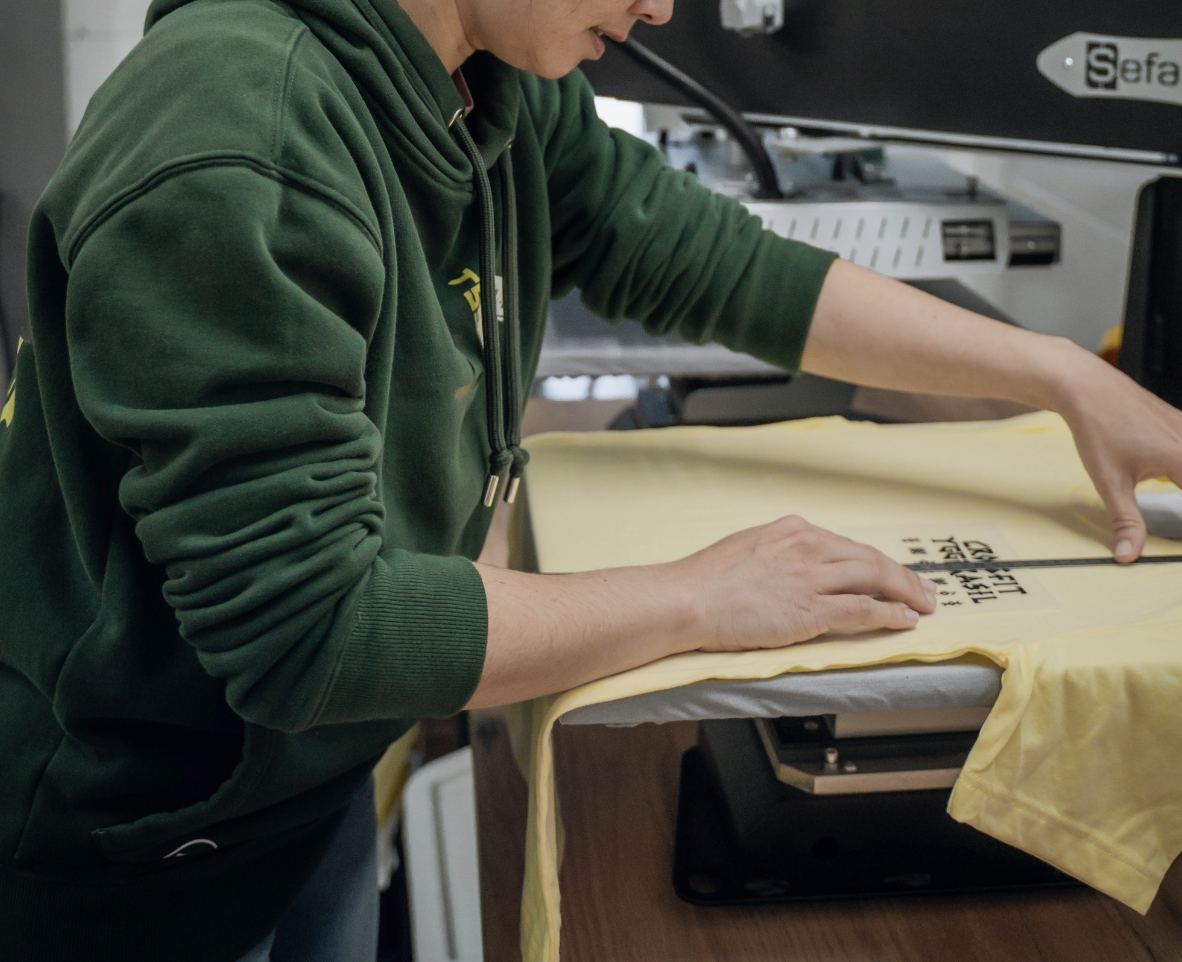
The pre-order system adopted by Resilience is a strategy that benefits both the environment and your company's profitability. By producing exactly what has been ordered, we avoid overproduction and wasted resources, which is a pillar of eco-responsibility. What's more, this system protects gyms and brands from the financial losses associated with unsold stock. Dormant stock not only ties up capital but can also become obsolete, resulting in a net loss. With pre-ordering, every piece has its place and purpose, ensuring that your investment in customized collections is both environmentally and economically sound. It's a way of responding precisely to your members' demand while taking a more sustainable approach to sports fashion.
Choosing sustainable materials
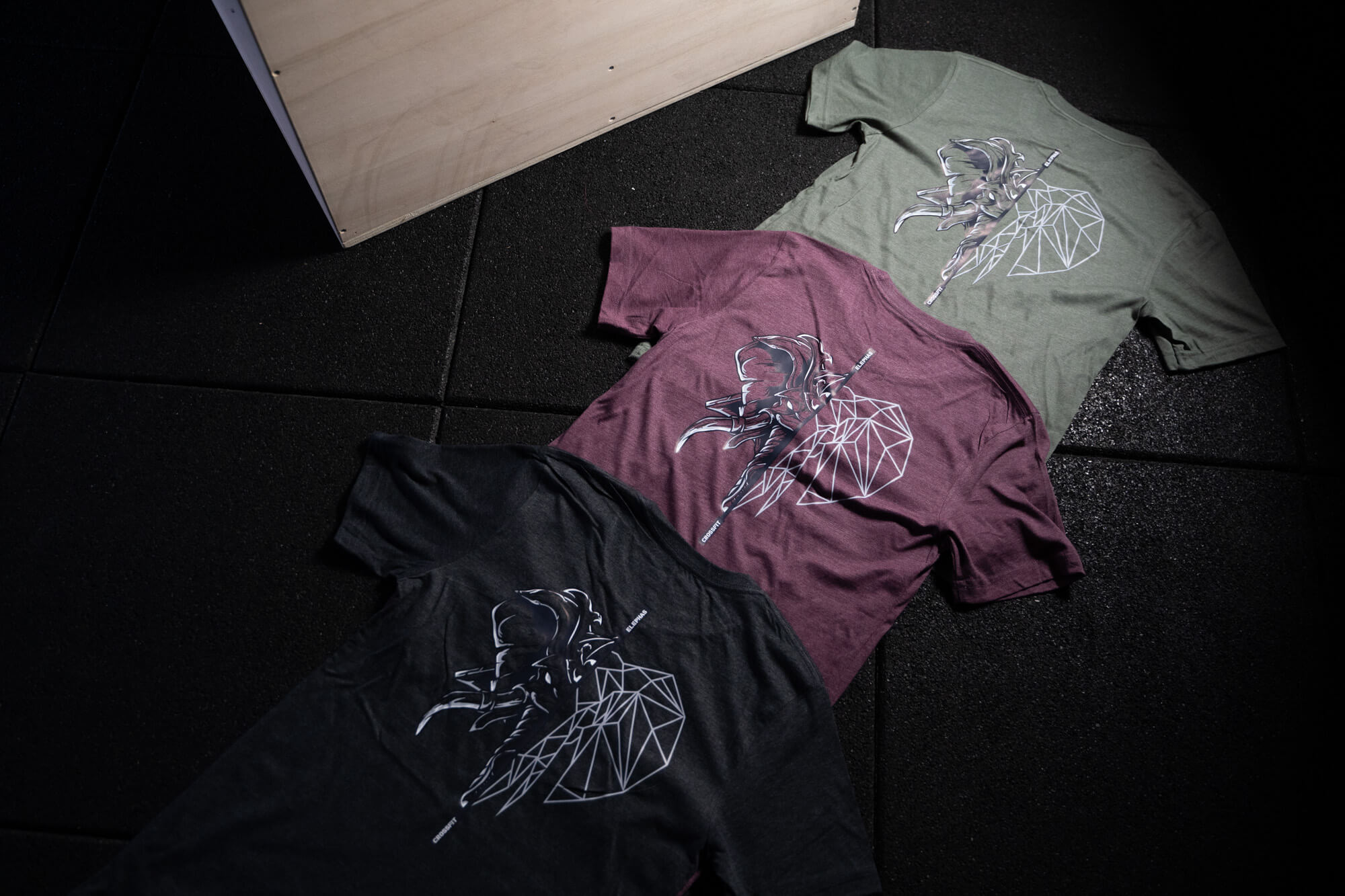
The selection of sustainable materials is a fundamental pillar in the creation of eco-responsible collections. This includes the use of recycled textiles, natural organic fibers, or innovative technologies that minimize environmental impact. At Resilience, we understand that not every product can be entirely organic or eco-friendly, as it is essential to strike a balance between sustainability, technical feasibility and commercial requirements. That's why, while our entire range isn't entirely organic, we do offer hoodies and jackets made from organic cotton and recycled polyester, providing sustainable options without compromising on quality or commercial margin. By choosing sustainable materials, you're not only helping to reduce your brand's ecological footprint, you're also offering your customers high-quality products that are ethically responsible.
Promoting Sustainable Practices
Beyond production, promoting sustainable practices across your brand is crucial. This can include educating your customers on how to care for their clothes to extend their lifespan, encouraging the recycling or donation of used clothing, and highlighting the green initiatives your company supports. By integrating and communicating these practices, you reinforce your company's image as a responsible and conscious brand.
Conclusion
Combining eco-responsibility and sportswear is not only good for the environment, but also for your brand. By adopting sustainable practices, you demonstrate your commitment to important values and strengthen customer loyalty. Pre-ordering, choosing sustainable materials and promoting eco-responsible practices are key steps in creating collections that are beautiful, functional and environmentally friendly. At Resilience, we are committed to being at the forefront of this approach, offering customized solutions that meet our customers' needs while preserving our planet. We recognize that every step towards greener fashion is progress, and while we can't achieve perfection overnight, every effort counts. Every conscious choice, every innovation in sustainability contributes to a greener future, and together we can make a significant difference.